I am no expert, but I have raised a few chicks in my day. And I've learned something new with each one. My husband and I had talked about getting chicks, but until the fall of last year, we had lived in town our whole lives. Chickens in town just weren't an option - or were they? Where we lived, keeping chickens in town was 'frowned upon'. A sassy neighbor complaining about a clucking chicken would have been enough to shut the whole bootleg chicken operation down, and ruin the fun for everyone. In preparation, I read blog after blog trying to grasp the basics of chick care for myself, for years in the future when we would finally be able to have feathery hooligans running amok in the yard, giving us gorgeous egg presents every morning.
Finally after not being able to resist the adorable chicks at our local farm supply store, we threw caution to the wind. We had a fenced in yard, and decided to raise chickens in our backyard in secret. We purchased five barred rock chickies. We brought home our box of joy and that's when my addiction began.
I'll be honest, despite having read about chickens, I had zero idea what I was doing. The stuff I had read made it sound so complicated, and scary. Was I or was I not supposed to feed them something addition to bagged chick food? Do they need grit at a young age? Am I going to contract a crazy contagious disease?? Don't laugh, I'd maybe been around a chicken twice in my life... okay, maybe you can laugh. I was a newbie, and I had a long, joyous journey ahead of me.
Below is what you'll need to get started, guidelines for basic chick care, how to introduce your other animals to your chicks, and what to do to ensure a friendly flock.
Brooder - Almost anything can be used as a brooder: cardboard boxes, wooden crate, birdcage (what we raised our first ever batch of chicks in), child playpen, or a pet playpen (which is what we're using now). As long as it is ventilated, sturdy, and has sides tall enough to keep the little ones from escaping, it'll do just fine. Keep in mind that though they may be small at a few days old, chicks grow fast. If it won't be warm enough to put them outside for two months or so, you'll need to get a brooder big enough to accommodate older chicks.
Heat - Heat lamps are the least inexpensive option for heating a brooder. I think we paid $8 for ours, and purchased it at your local farm supply store. Clip the heat lamp on the side of your brooder, and make sure the bulb points away from the side of your brooder. A heat lamp in direct contact, or close contact with a surface could cause a fire. I've read several blogs about raising chicks that stated chick brooders HAD to be measured with a thermometer and kept at a certain degree at all times, and slowly lowered in temp as the chicks age. If you want to do that, great, but I never have. I judge the correct temp of the brooder, by how the chicks are dispersed. If they're ALL huddled tightly together directly underneath the brooder, the heat lamp probably needs to be lowered to raise the temp. If they're ALL out of the direct light of the heat lamp, its too hot, and the heat lamp needs to be raised up to cool off the brooder. The ideal chick disbursement in a brooder is some underneath the light, and some meandering around outside of it. We've had great success with heat lamps, and will continue to use them.
Feeder/Waterer - Trying to save a buck when we bought our first batch, I used shallow bowls from the kitchen. They worked, but trust me, shelling out a few bucks at your tractor supply store for actual chick feeders/waterers is soooo worth it. Our kitchen bowls sufficed, but they kicked cedar chips in them constantly, meaning I had to dump out and refill them several times a day. They also loved pooping the in the bowls. Do you want to drink out of a bowl that has poop in it? Yeah, me either.
Bedding - Sand, straw, hay, and pine shavings (what we prefer) are all suitable options for chick brooder bedding. I do not recommend plain newspaper solely for bedding. The chicks feet don't have much traction when they're young, and slippery newspaper or other flooring can lead to spraddle leg. I've only ever used pine shavings, and can attest that its very absorbing, and inexpensive for a large bag.
Feed - We've been feeding our four full grown barred rock girls basic chicken feed from the tractor supply since we got them. As chicks, they got 'chick grower' feed, and as adults, they get 'egg layer' feed. Our current batch of chicks are on the same basic chick feed, and they are growing like weeds!
Vaccinations - I can't really say too much on this subject, other than I do not have my chicks vaccinated. Our very first batch of chicks we bought from the tractor supply may or may not have been vaccinated, but I've chosen not to order vaccinated chicks from this point on. With basic common sense care - fresh food, clean water, clean coop, not introducing a new sickly chick into a healthy flock - outbreaks among the flock can be avoided. If you would like to vaccinate your chicks, vaccinations are available through hatcheries prior to shipping your chicks.
Treats - As a rule, I prefer to wait until the chicks are two weeks of age before spoiling them with treats. Maybe its crazy, but I feel they'll be better prepared to digest treats, once their tiny digestive systems are accustomed to their feed, and environment. Plus, baby chick beaks aren't exactly able to viciously tear into an apple, they're tiny! Acceptable treats for baby chicks are yogurt, apples, lettuce, hard boiled egg, strawberries, grapes, grass clippings, dandelions, squash, melon... the list goes on, and on. Things to NOT give baby chicks, or full grown chickens: avocados, chocolate, junk food, green potato skins, or rotten fruit.
My girls go crazy for yogurt!

Which inevitably leads to a yogurt 'stache. Uh, Grizelda.... you've got a little something on your beak.

Taming - Chickens are domestic animals. Unless you are mean and cold to your chicks as they grow, they aren't going to act like wild, and crazy birds when they grow up (unless they're sitting on some eggs - in which case, even the tamest of all chickens will terrify you... just kidding... maybe). However, you can do your part to ensure your beautiful girls, or boys are as tame, and sweet as they can be. If you hatched your chickies from eggs, you'll have the chance for them to imprint on you, and they might think you're their mama! If you're like me, and ordered your chicks from a hatchery, your chickies saw someone else other than you fresh out of the egg. Regardless, your time is the BEST thing you can devote to raising chicks, to ensure you have a friendly, and gentle backyard flock. I purchased a forty-inch wide puppy play pen for brooding all future batches of chicks. Its plenty big enough so that me, and eleven chicks fit comfortably in it. I spend several hours a week, sitting in the brooder with them. They are able to inspect me suspiciously (as chicks are wont to do), climb over me, hear my voice, and eat from my hand. Its a pain, my back often hurts from being hunched over, but it will be worth it in the end when I have eleven more full grown lap chickens. If you can't fit into your chick brooder, spend as much time as you can sitting outside of it, talking to them, and holding them.
Nutmeg, roosting on my leg.

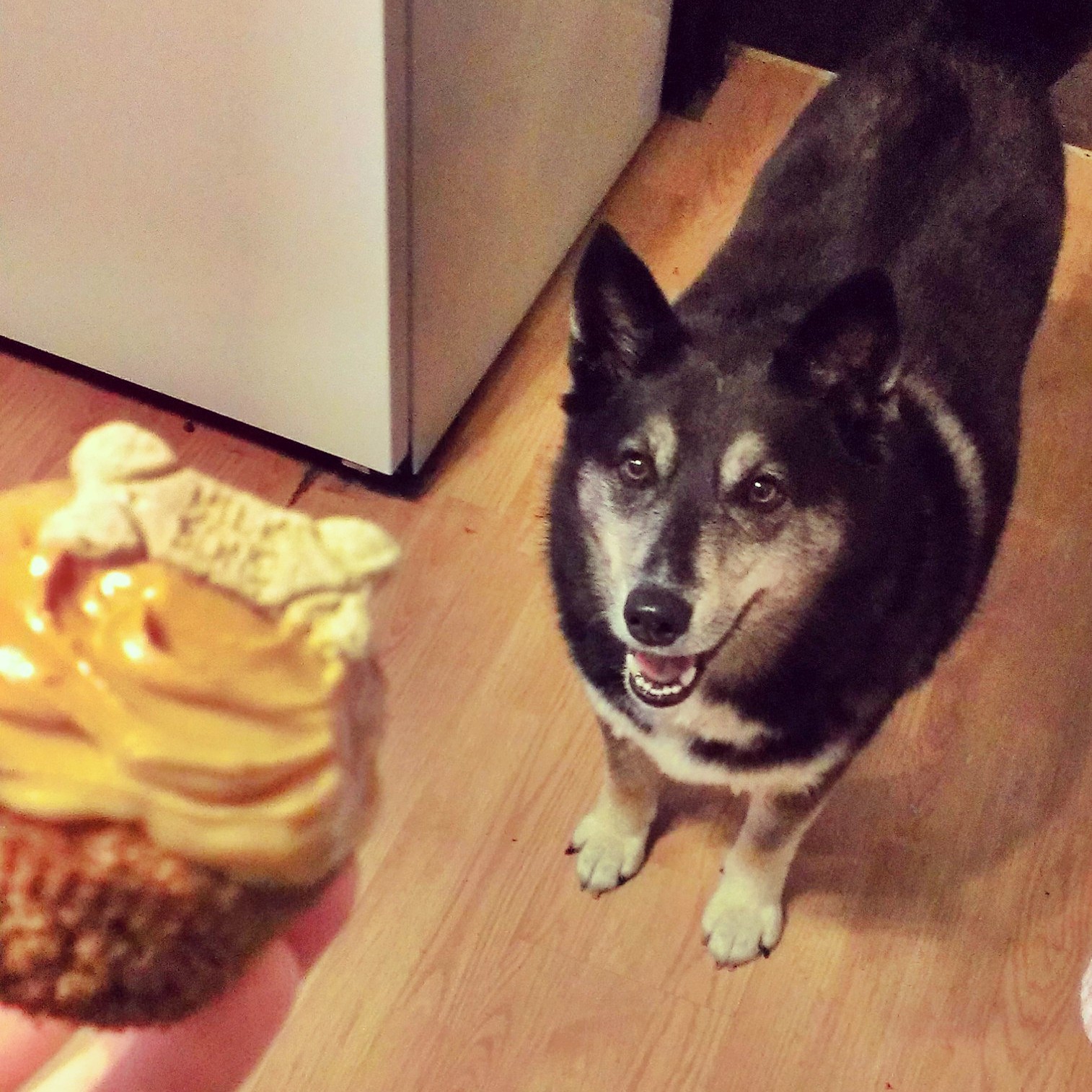
Other Pets - We have four dogs, and five cats in the house. Ninety nine point nine percent of cats would kill these baby chicks in an instant. We have one cat that wouldn't lay a paw on them. We know that because we know her. She's a gentle little soul. Even still, we don't even allow her in the room with the chicks. Its just best to keep cats away from the chicks until they are big enough to defend themselves. Our five cats are indoor/outdoor, and they never mess with our full grown girls - they know better. Our barred rock, Daisy, is bigger than the cats are! Of our four dogs, only one would hurt the chickies, and that's our little twelve pound doxie. Our sixty pound husky mix would happily let the chicks trample all over her. She's a gentle giant. You just have to be incredibly selective, and at the ready when introducing other pets to your chicks. I would recommend keeping them on a leash the first few times you introduce them to the chicks. Judge their behavior, and if you see ANY signs of aggression - get them out of there!

The main thing to remember when raising chickens, is that with a little love, anyone can do it. They require very little, and provide you with so much. Don't be afraid, be inspired! I'm so inspired by chickens, that I just ordered TWENTY SIX more - I think I need an intervention.